
Many event venues look impressive at first glance. High ceilings. Clean design. Nicely styled setups. But once the event begins, something feels off. Guests hesitate. Energy drops. The program feels longer than it should.
Nothing is technically wrong, yet the space doesn’t feel right.
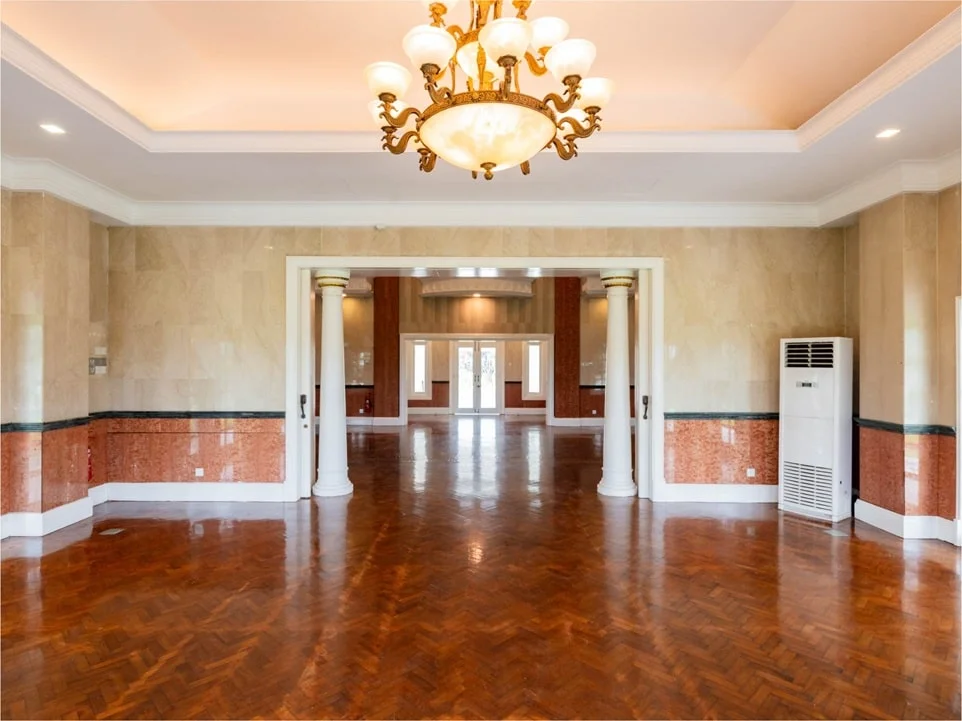
A visually strong event venue KL is easy to find. What’s harder is finding a venue that works once the room is full. Design and usability are not the same thing.
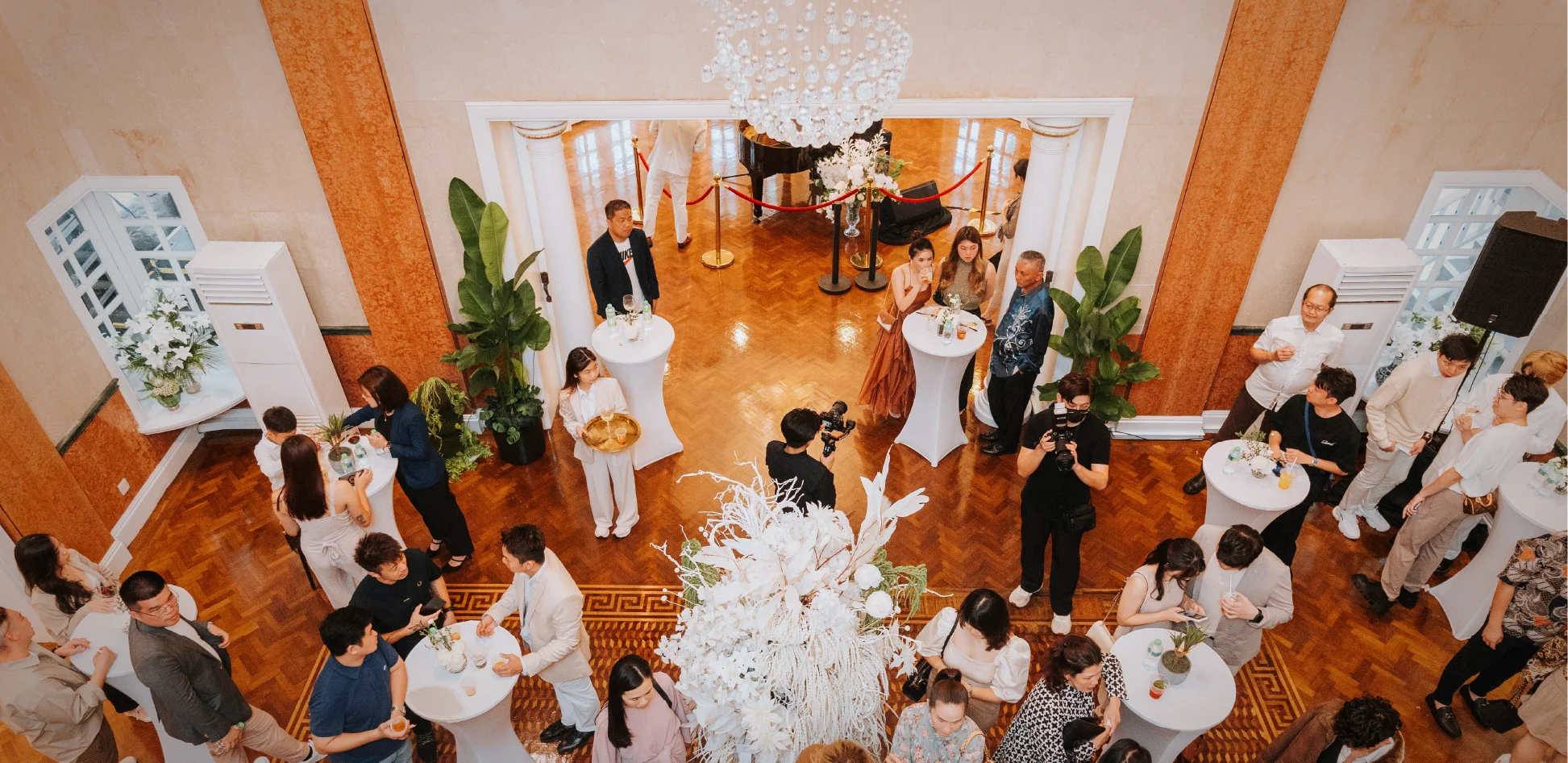
A space might photograph beautifully when empty, but once people start to move, talk, and interact, the limitations appear: it feels too rigid, too flat, or simply disconnected. This is a common reason why many annual dinners fail; the venue was chosen for its looks, but it didn't support the event's soul.
Most venue decisions are made based on aesthetics. But events are felt through movement, interaction, and transitions. A strong company event space is not defined by its still images, but by how it supports people over time. Events are dynamic, and the space must move with them. When you look through our 2025 guide to event spaces in KL, you'll notice that the best locations all share one thing: they are built for human experiences, not just photography.
Every event has a rhythm: Arrival → gathering → engagement → peak → wind-down. When venue selection doesn’t support this rhythm, the energy breaks. Conversations stall because people don’t know where to go next. Spaces that work have:
Not everything should happen in one place. In fact, following an essential checklist for location selection can help you identify if a venue has the "bones" to handle complex guest flows.

Beyond layout, subtle elements shape the atmosphere:
This is why experienced planners in event planning KL prioritize how a venue behaves over its mere décor.

The most successful events are remembered for how comfortable and natural they felt. This "feeling" is quietly shaped by the environment.
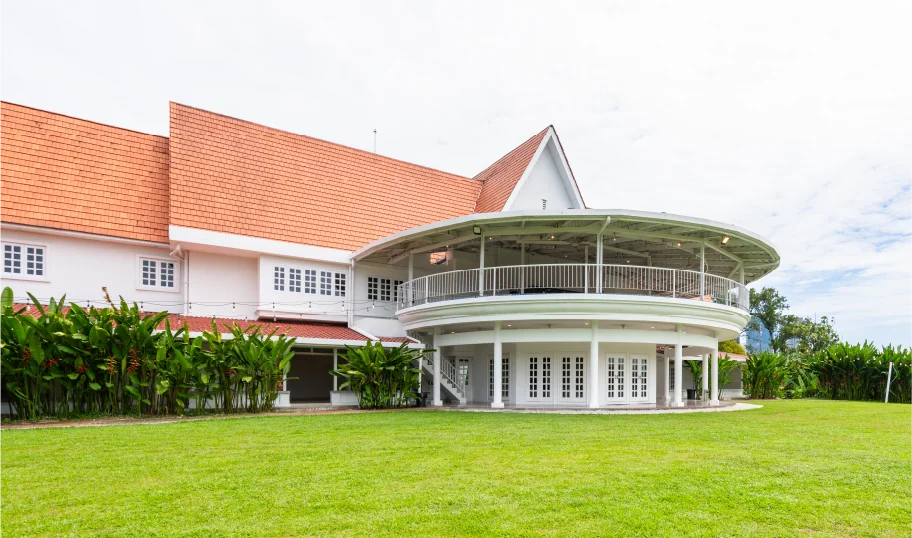
At Whitehouse @ The Estate, the venue is a sequence of spaces. A gathering might begin in The Great Hall, where the scale creates presence, before guests naturally drift toward The Sky Balcony for relaxed networking. Later, the Hilltop Garden offers an open environment that subtly shifts the evening's tone. The environment does part of the work so your program doesn't have to.
If you're exploring an event venue KL that supports both structure and flexibility, our team can walk you through how different spatial setups influence flow, engagement, and atmosphere.
Contact our team to arrange a viewing